We have successfully completed various projects across geoscience, environmental assessment, and capacity building with national and international partners.
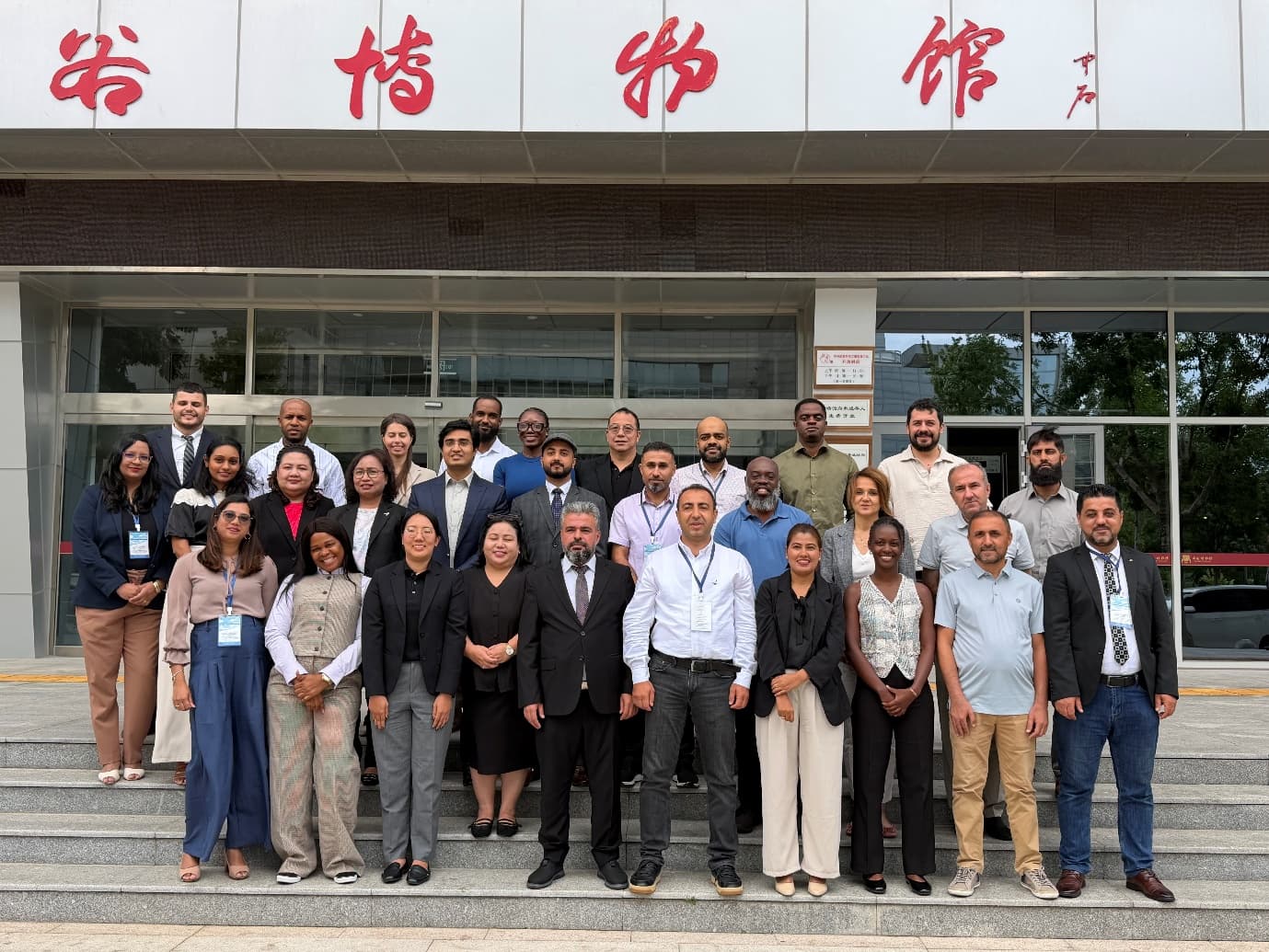
We have participated in a research visit to Beijing and X’ian Provinces in China focused on agricultural e-commerce and digital transformation in agriculture. The visit provided valuable opportunities to exchange knowledge, explore innovative agricultural practices, and learn about China’s integration of digital technologies, e-commerce platforms, logistics, and market systems in the agricultural sector. The experience strengthened our understanding of emerging approaches to agricultural development and provided useful lessons and perspectives that can be adapted to the context of Nepal.
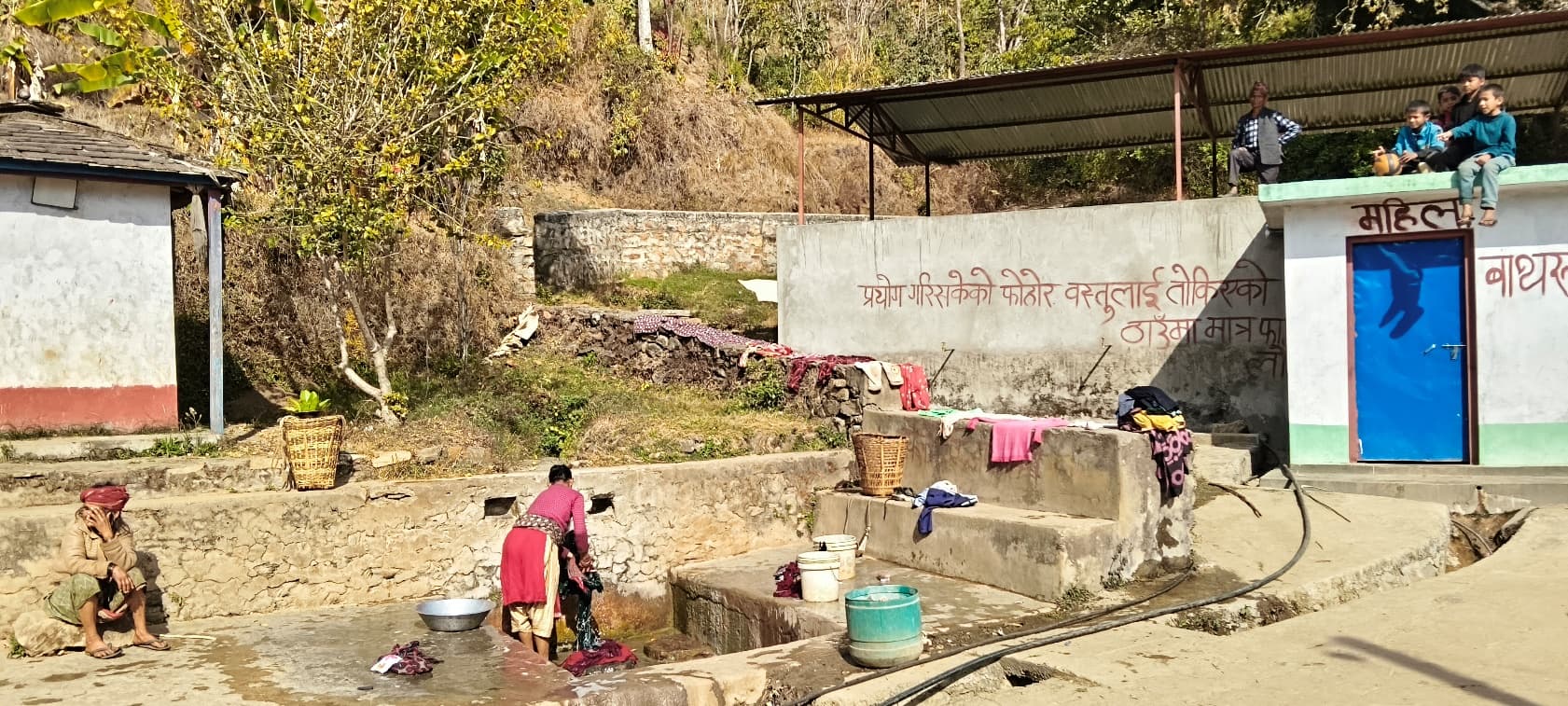
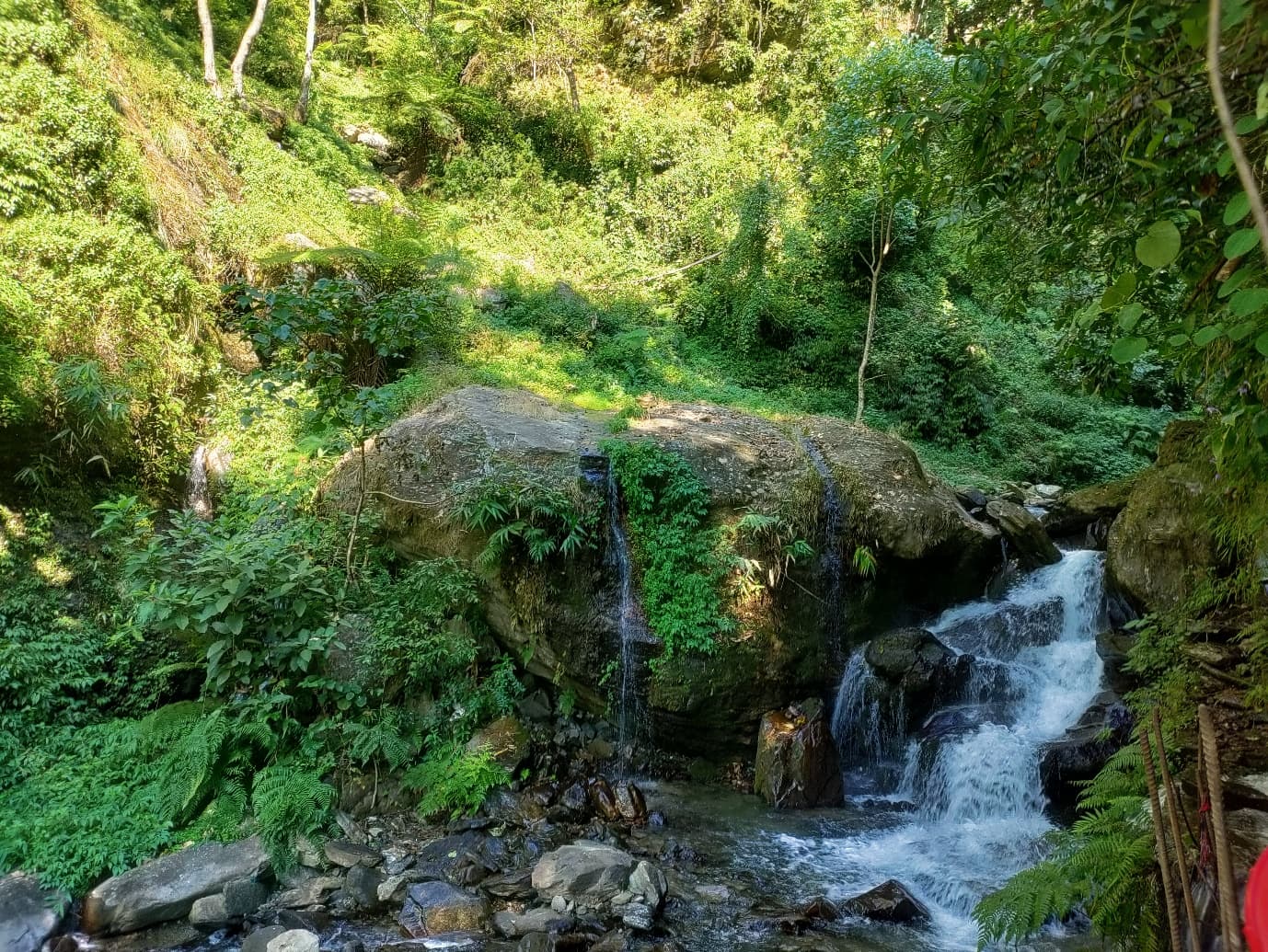
The study assessed springs and water sources in Ward 4 of Dungeshwor Municipality, Dailekh, mapping spring locations and evaluating their hydrogeological characteristics, seasonal availability, and recharge potential. Carried out under the LACC Project, a joint initiative of the European Union, Finland, and the Government of Nepal focused on climate resilience and sustainable natural resource management in Karnali and Sudurpaschim provinces - the findings support local water security planning and provide a basis for source protection and sustainable spring management interventions in the ward.
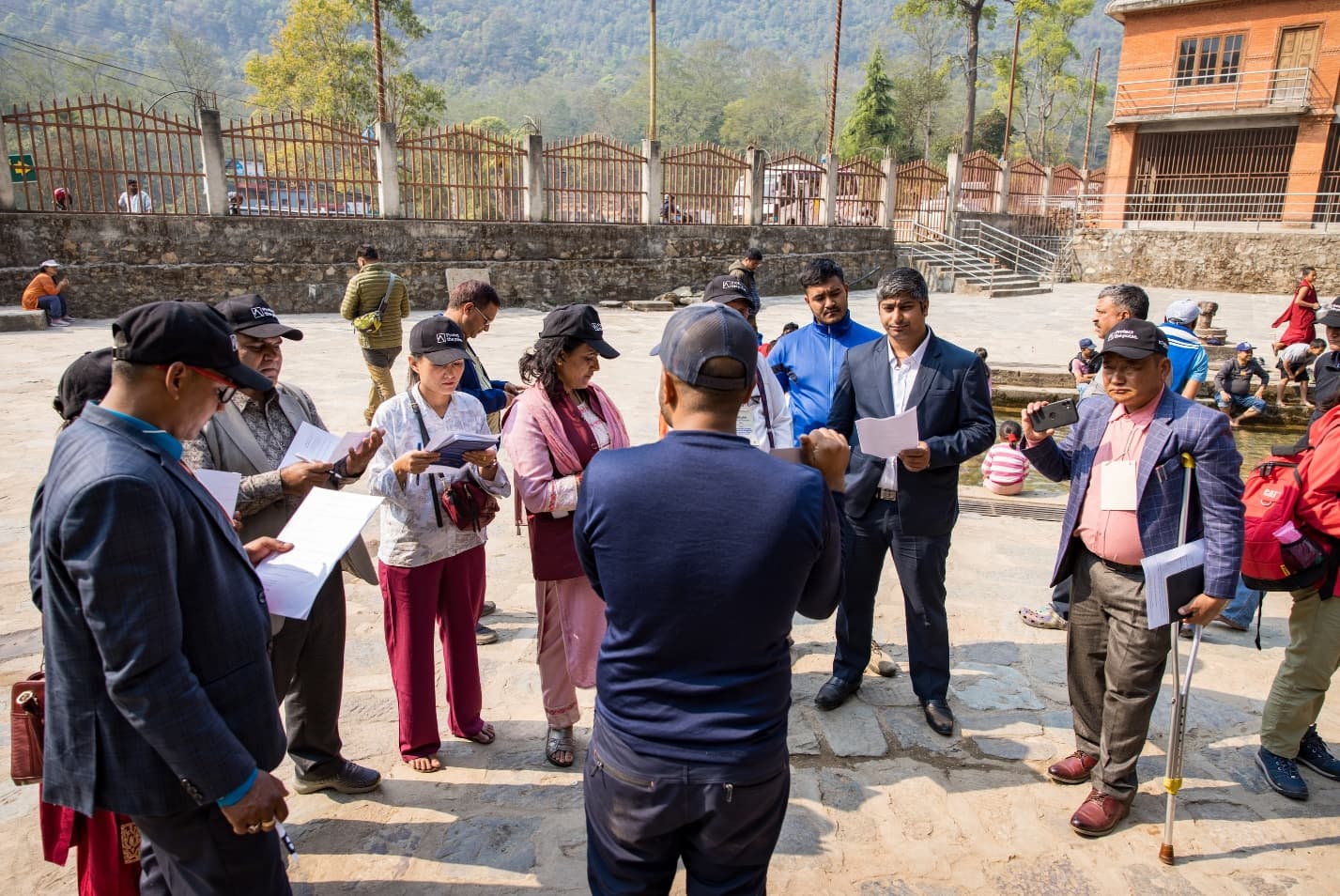
The study assesses hydrogeological conditions and groundwater resources across Jwalamukhi and Benighat Rorang municipalities, mapping springs and water sources, delineating recharge areas, and conducting field water quality assessments. Stakeholder engagement includes consultations with OXFAM, WASH Boards, the Department of Water Supply and Sewerage Management, local governments, and community representatives, with findings presented to FOCUS Nepal, OXFAM, and related stakeholders at a validation workshop. Findings will inform a spring distribution and recharge-potential database, supporting sustainable water governance, source protection, and long-term water security planning.
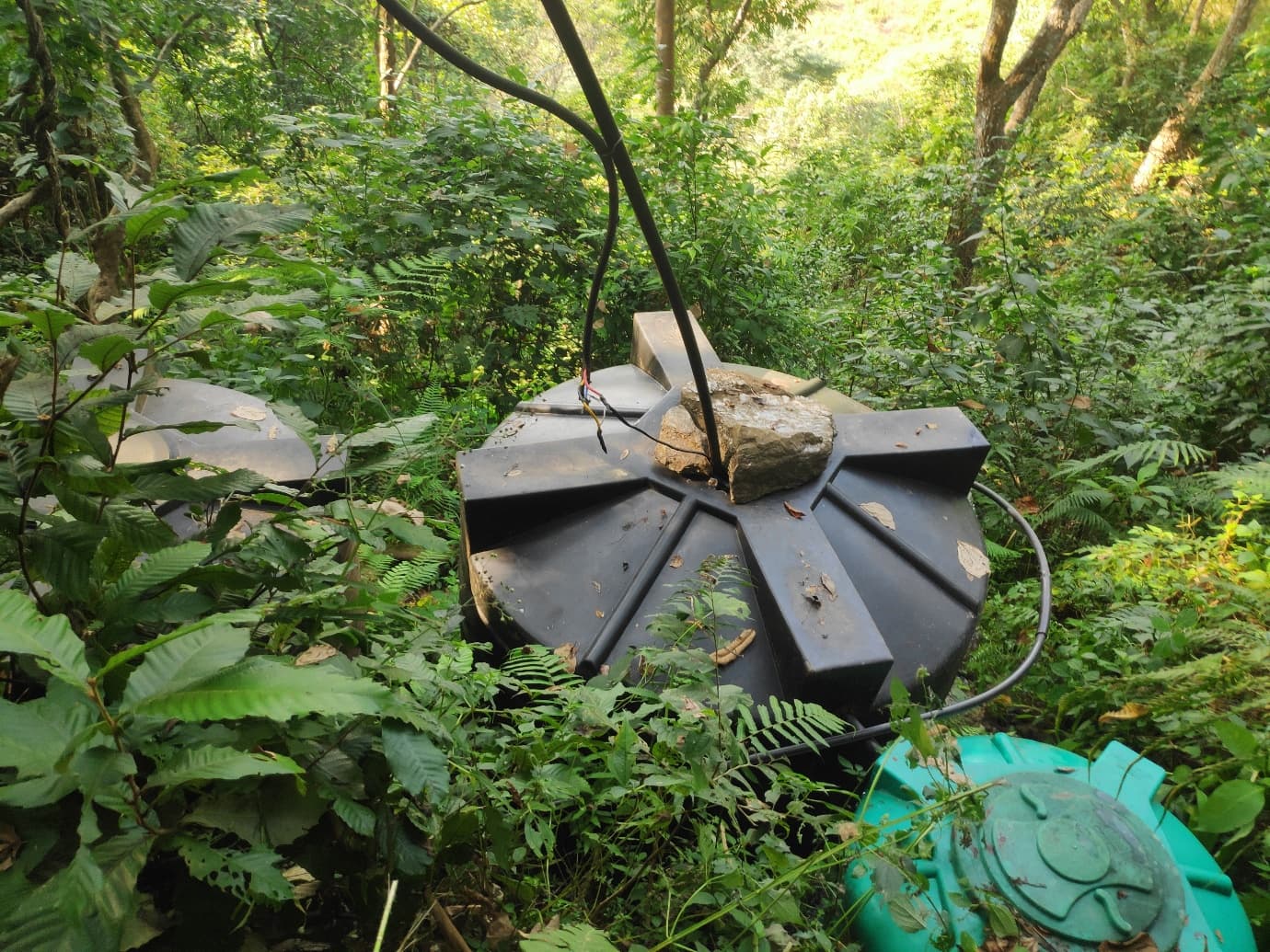
The Reegaun Irrigation Development Project aims to enhance agricultural productivity and livelihoods in Ganga Jamuna Rural Municipality, Dhading, by establishing a sustainable irrigation system. The project will supply water through pipelines to coffee and high-value crop-growing areas across eight villages, addressing long-standing water scarcity. It will also introduce a model irrigation system utilizing household wastewater. By ensuring reliable water access, the initiative will support crop diversification, increase coffee production, and promote agricultural commercialization, ultimately improving the income and living standards of 314 farming households in Reegaun. The main objective is to assess hydrogeological conditions and groundwater resources in Reegau, Gangajumuna RM.
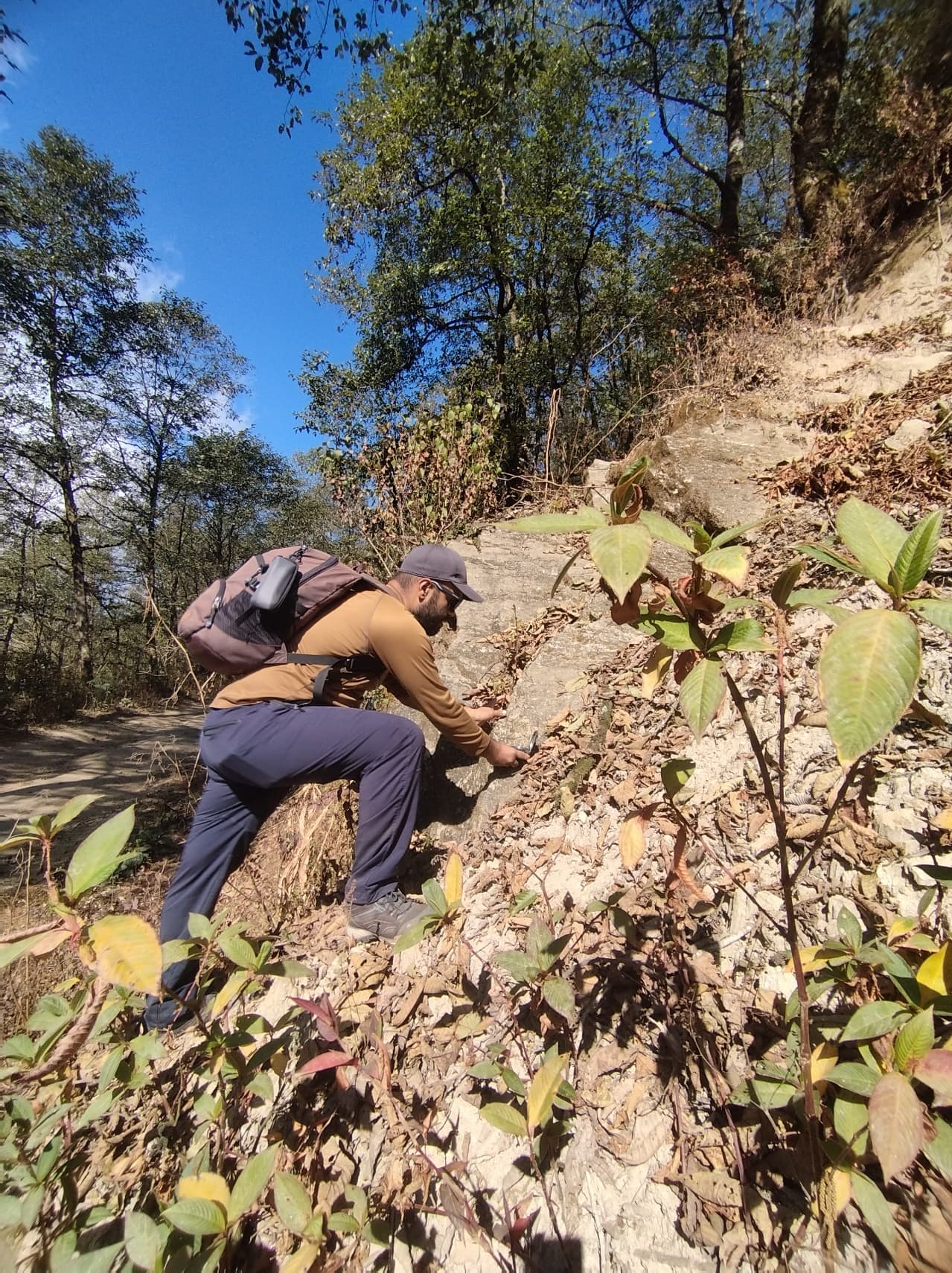
This project mapped the recharge areas of six springs in Nepal using hydrogeological techniques, following the methodology outlined in the Protocol for Reviving Springs in the HKH. The consultancy included field visits to the Dhankuta and Kavre districts for hydrogeological mapping of selected springs. Using field data, the team generated 3D hydrogeological maps with Google Earth and CorelDraw software to outline the recharge areas.
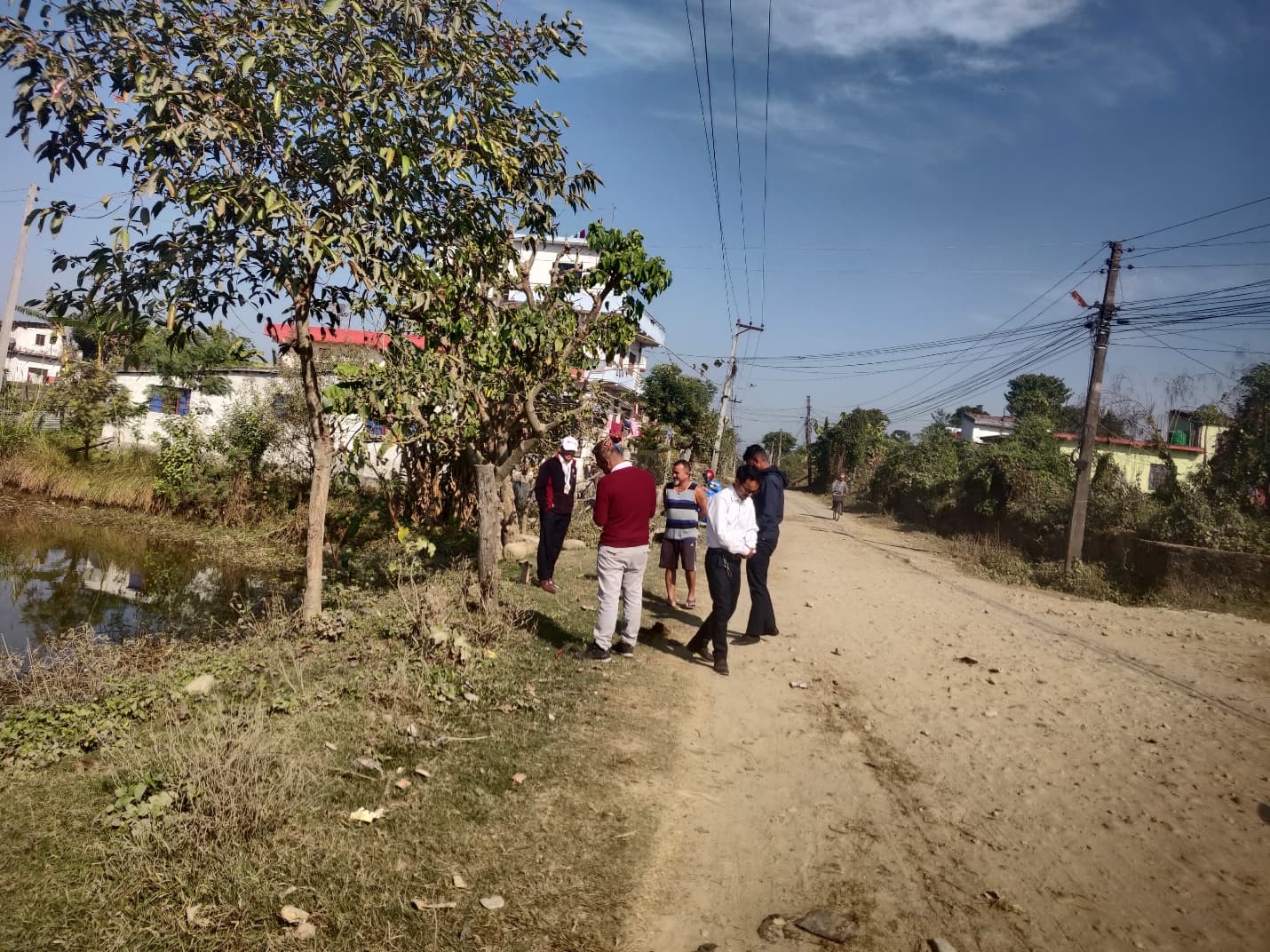
This project assessed ponds in terms of their distribution, dimensions, water quality, and seasonal dynamics, as well as geological and hydrogeological features. It also examines their links to local communities and livelihoods, categorizes them by status, and prioritizes them for development strategies that emphasize water recharge.
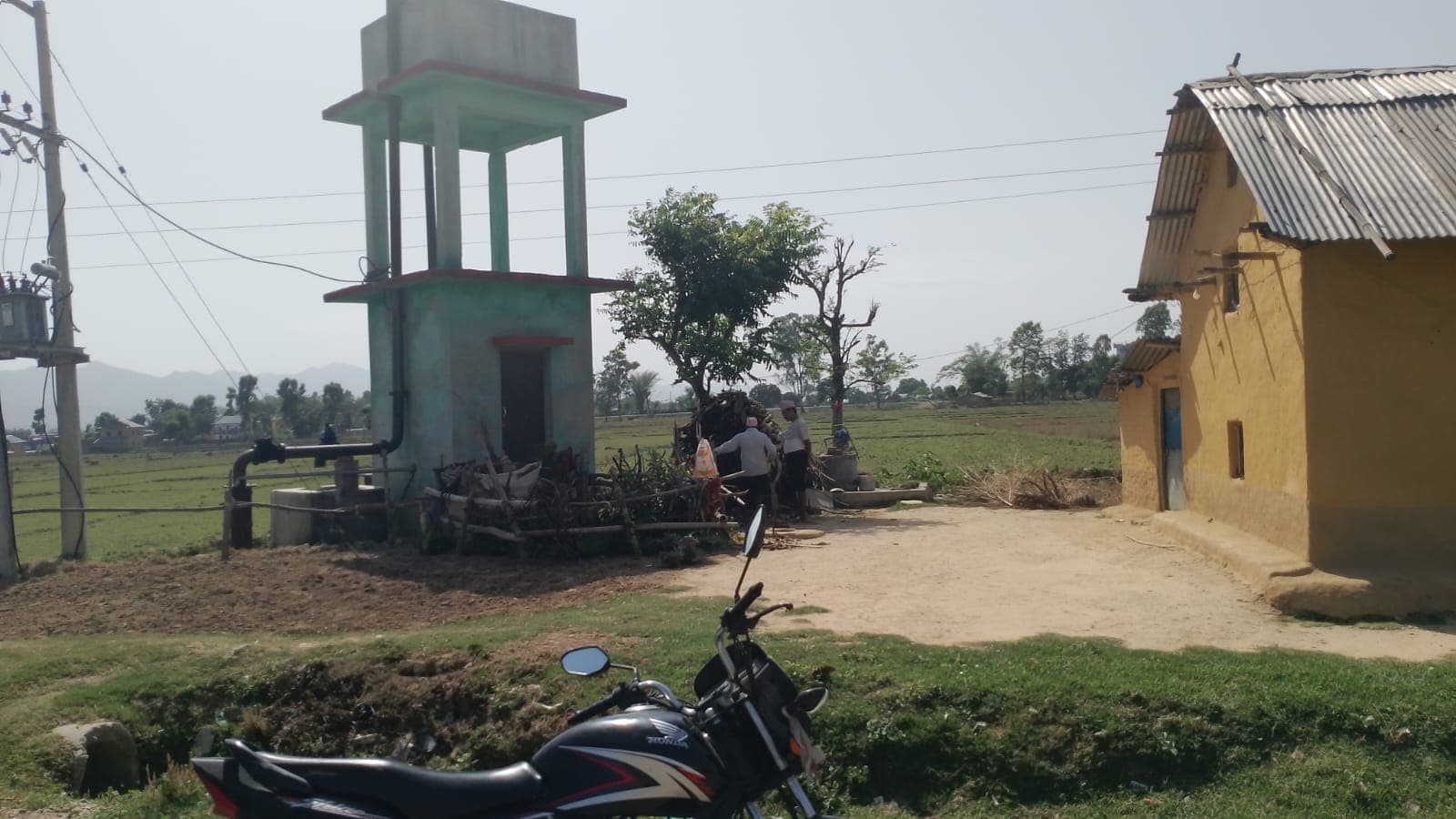
Research to understand the status of groundwater irrigation systems installed by the MDVIP and other tube-well construction entities and to assess the effectiveness of the installed groundwater irrigation system.
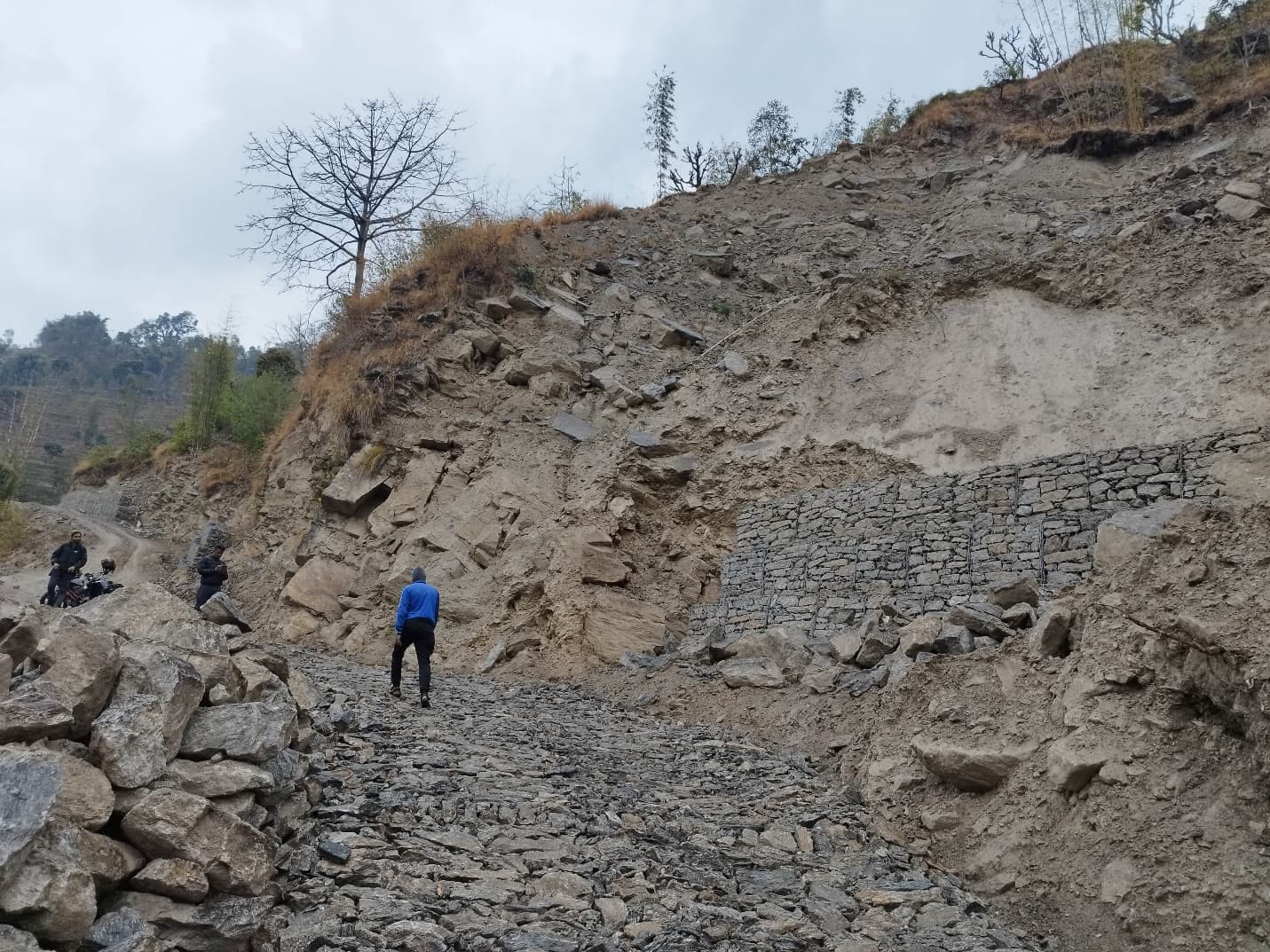
The project evaluates the causes of landslides, assesses the extent of damage, and maps at-risk assets, proposing rehabilitation and resettlement plans. It also suggests risk reduction measures and includes the preparation of inception, draft, and final reports.
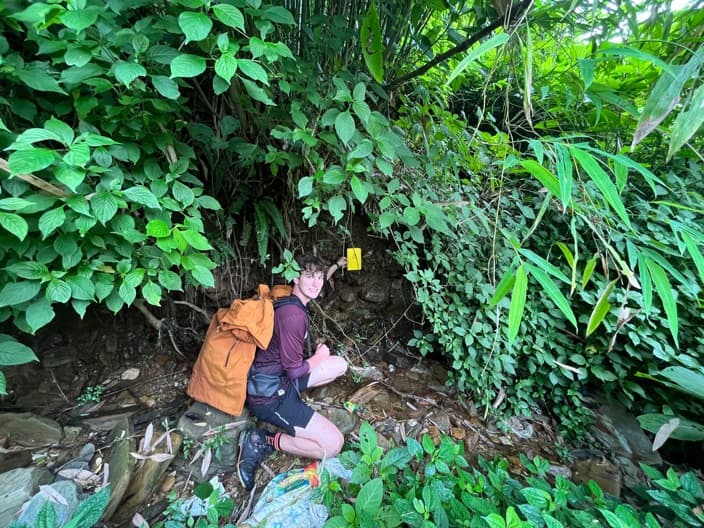
We have guided foreign students, recommended by SIT Nepal, in conducting field-based research entitled “Studying Spring Characteristics in Phusre Khola Drainage, Pokhara, Nepal.” The study involved a systematic assessment of spring characteristics using field-based methods, including spring identification and inventory, rock and geological measurements, field surveys, and water-quality testing. Through this research, the students gained practical experience in geological and hydrogeological field techniques, spring assessment, and basic water-quality evaluation within the Phusre Khola drainage.
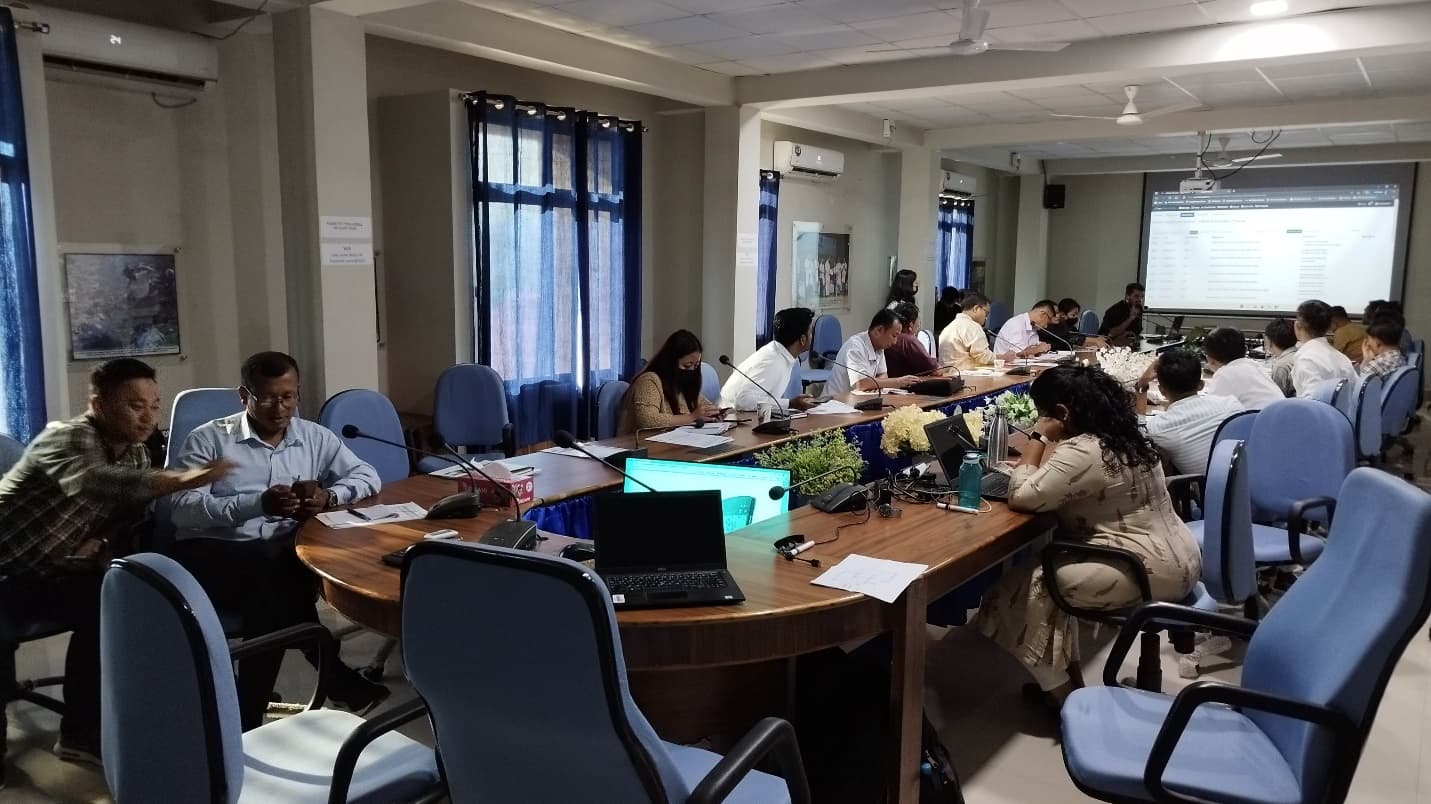
Training insights into the revitalization of springs in Nepal, drawing lessons from Namobuddha Municipality in Kavre, and exploring ICIMOD's methodology for spring revival through practical exercises were also provided. The training aimed to establish a shared understanding of springshed management planning and execution.
The training focused on advanced concepts and applications in developing springshed management strategies, with reference to the Six-Step Protocol for reviving springs in the Himalaya.
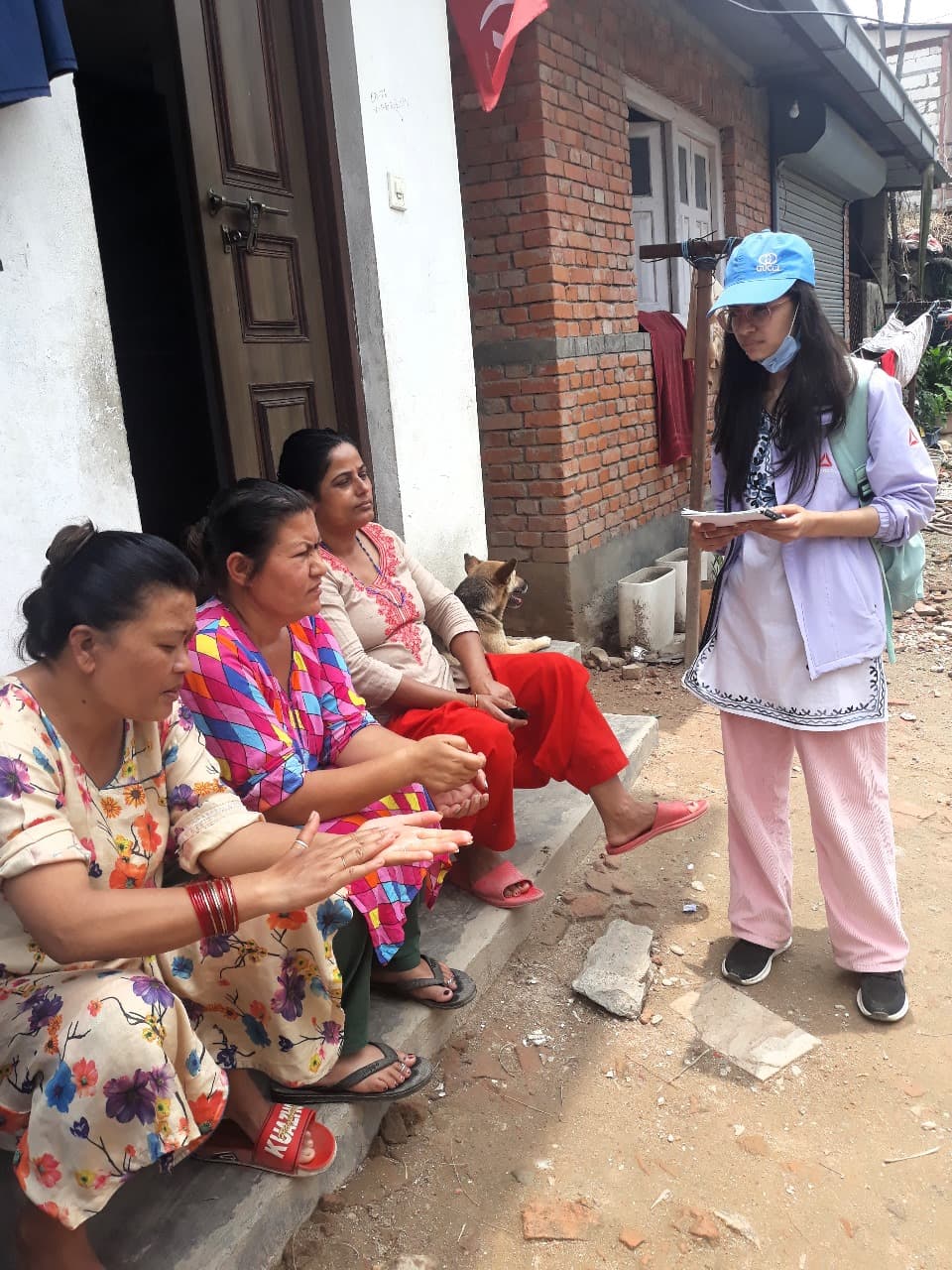
A household survey was conducted in Kathmandu, Nepal, a rapidly urbanizing low-income city, to explore the connection between levels of exposure to green spaces and human well-being.